
The top 6 container tracking automation services compared
Read the postDiscover comprehensive guides, tools, and insights to optimize your shipment tracking and data integration.
The top 6 container tracking automation services compared
Read the post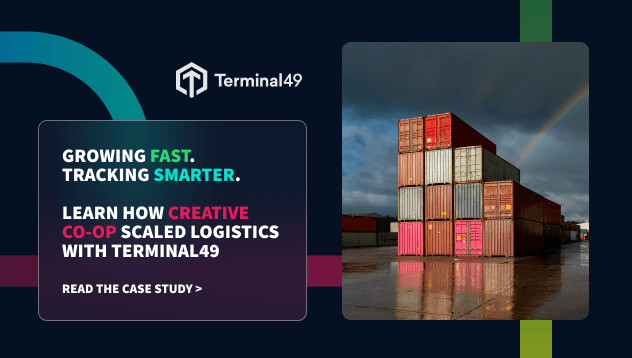
Creative Co-Op Cuts Tracking Time and Avoids Fees with Terminal49
Learn how Terminal49 models inland rail ETAs by segmenting journeys, improving data quality, and embracing transparency in the face of logistics uncertainty.

AI is already reshaping logistics, from automating document processing to optimizing shipment tracking. But how much of this is real, and how much is just hype?
Discover how a fast-growing home goods brand scaled their global operations 10x while reducing shipping delays and demurrage fees—using Terminal49’s real-time container tracking platform.
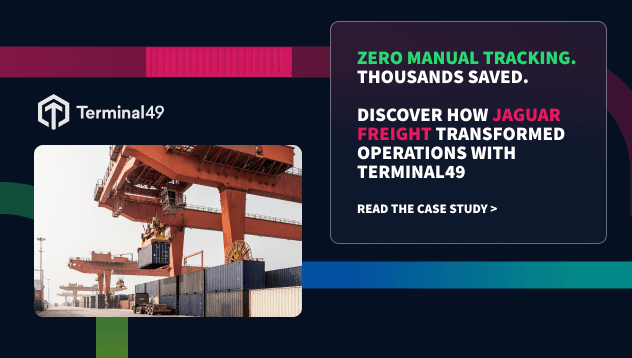
Terminal49 and Chain.io replaced spreadsheets, carrier websites, emails, and phone calls with automated container updates, eliminating 90% of manual tracking work.
Starting today, any company —large or small —can use Terminal49 to track its containers in one place, for free.
Stay compliant and minimize demurrage fees with our automated container tracking and risk management solutions.
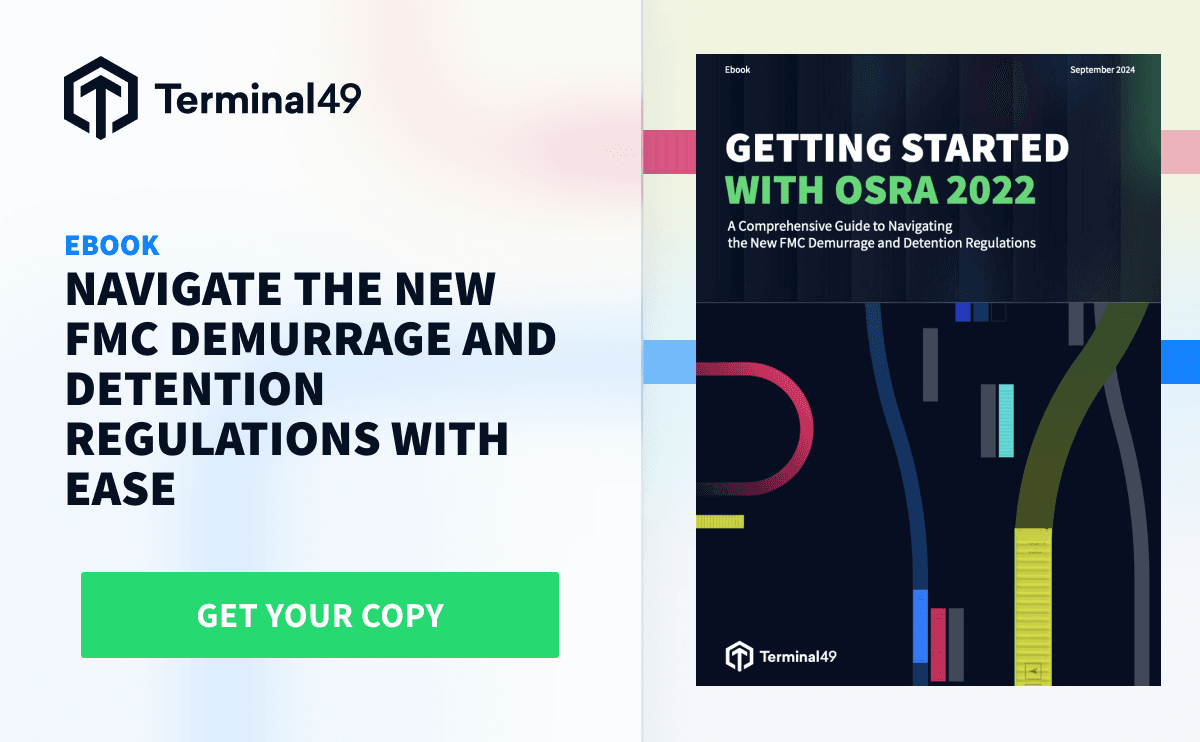
Stay compliant with OSRA 2022 and avoid costly penalties—download our free eBook now.
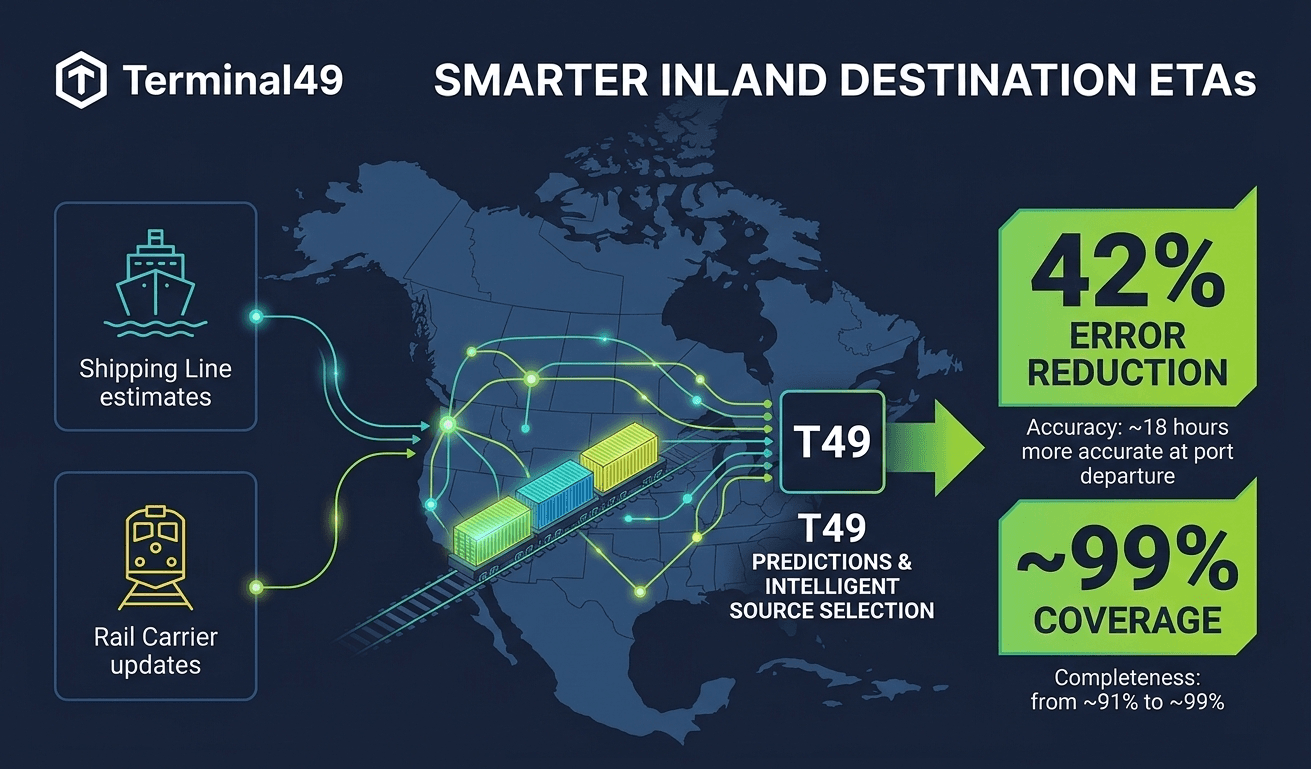
Terminal49's new inland ETAs cut prediction error by 42% and boost coverage to ~99% for US and Canada rail shipments. Here's how we did it.
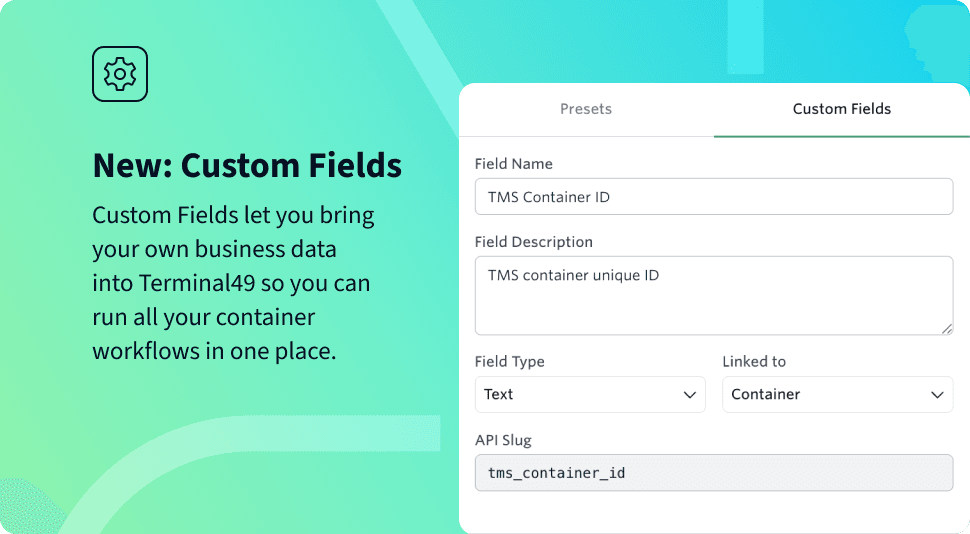
Custom Fields bring your ERP/TMS data and workflows into Terminal49. Discover three powerful workflows that replace spreadsheets and centralize operations.
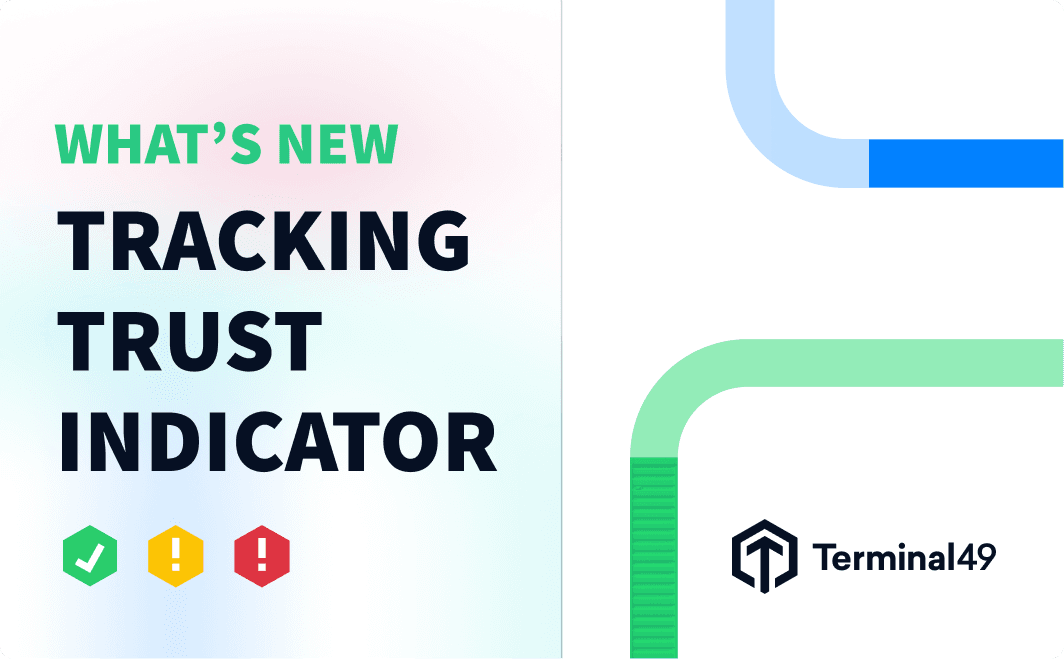
See how fresh your container data is and refresh it on demand. The Tracking Freshness Indicator brings more trust and transparency to your workflow.
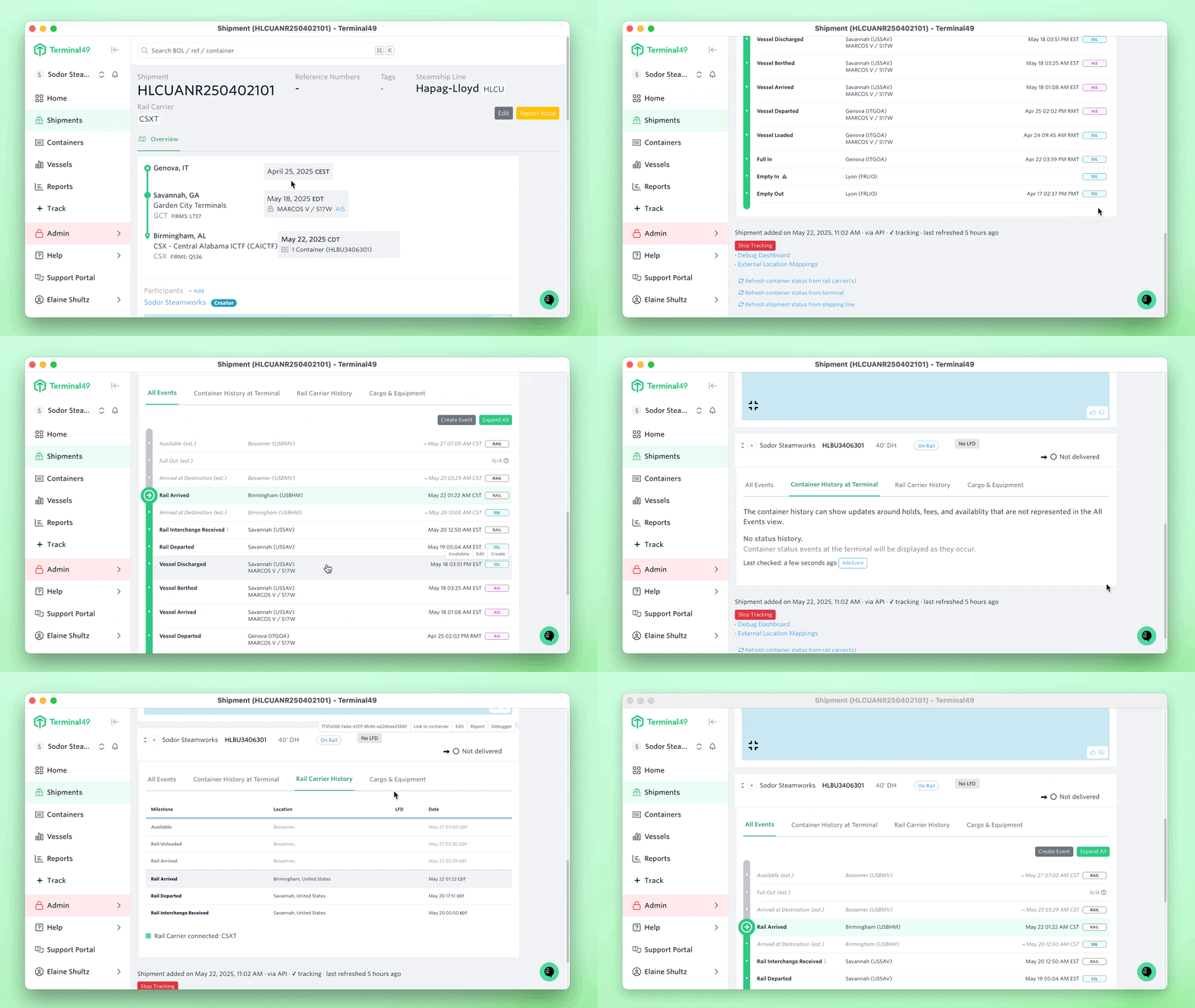
From global search and customizable filters to unified timelines and live maps, these updates make it easier to make smarter decisions—faster.
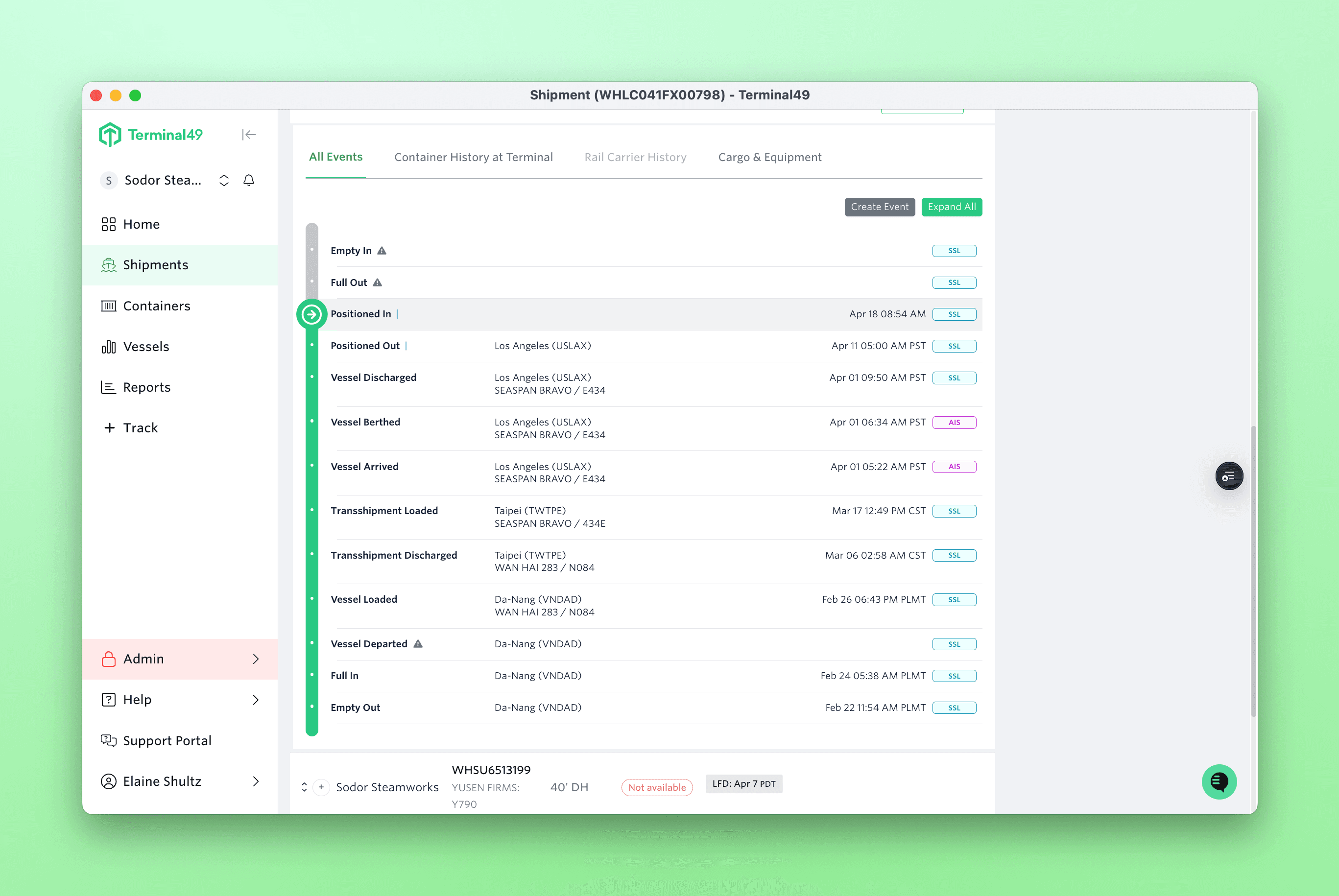
We’ve expanded Terminal49’s footprint to support North American imports across all ports and terminals

Terminal49 was built on the development of software that helps to streamline drayage operations. Akshay Dodeja, founder and CEO of Terminal49, talks about what customers want, how AI should be used and where technology could take the industry.
In this fireside chat, Terminal49’s Kyle Blount and Dom Santomieri unpack what May 2 means for U.S. importers. From the disappearance of the de minimis exemption to how major brands are pivoting to FTZs and new sourcing routes, this conversation offers a clear, strategic look at a very uncertain landscape.
The logistics headlines keep coming: tariffs are changing, port fees are on the horizon, and shippers are bracing for congestion. So we hit record on a quick chat between Terminal49’s Dom Santomieri and Kyle Blount to unpack what’s actually going on.
Importers are scrambling as tariff rules shift fast. From the end of de minimis to FTZ strategy and routing chaos, here's what logistics teams are doing to stay ahead.
How supply chain leaders can build sustainable, agile operations for what’s next

AI is everywhere. Whether we’re excited about it, skeptical, or just trying to keep up, there’s no escaping the conversation. In logistics and supply chain, the potential for AI is massive—but what does that really mean for the industry?
Exploring the role of Terminal49 in shipment visibility and ensuring construction timelines have minimal to zero delays.
In this article, we take a deep dive into four major roles of technology in enhancing the efficiency of freight operations.

We're breaking down the challenges with traditional sources of container data and methods of gaining visibility into status. It's more complicated than you'd think.
Terminal49 automated container tracking for a 15-person team, saving roughly 300 employee hours each month and thousands of dollars in fees each year.
Learn how food importers can navigate FDA and U.S. Customs regulations without costly delays. This guide explores compliance strategies, risk mitigation, and how Terminal49 helps streamline food import operations.
Exploring how shippers can track and monitor conditions of time-sensitive refrigerated cargo during its freight movement with Terminal49.
The ILA Strike has commenced and will be felt throughout the entire East and Gulf Coast ports responsible for handling 55% of containers coming to and fro the United States.
A guide on the Port of Los Angeles, exploring its history, terminals, logistics environment, economic impact, and infrastructures.
Fortune 500 Retailer Streamlines Global Container Tracking & Risk Management with Terminal49’s Real-Time Data
Why Customs Delays Are a Serious Risk for Construction Equipment Imports
Jaguar Freight automated container tracking with Terminal49 + Chain.io to boost visibility, cut manual work, and enhance customer experience.
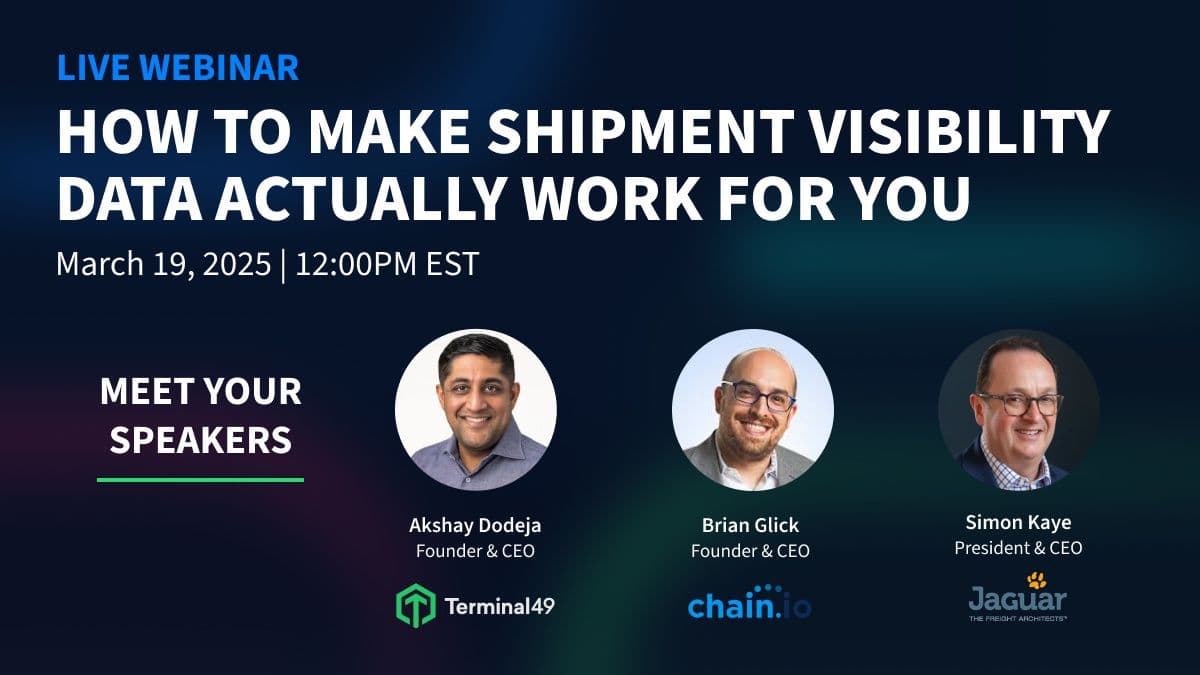
Tracking container milestones is one thing—getting that data where you need it, when you need it, is another. If you’re manually keying in updates or scrambling to align your TMS, ERP, or customers with real-time visibility, there’s a better way. Join Terminal49, Chain.io, and Jaguar Freight for a real-world look at how logistics providers are making visibility data actually work for them—without the headaches.
Exploring best practices and the role of Terminal49 in managing perishable goods through reefer container milestones.
Exploring Terminal49’s role in helping shippers ensure accurate tracking of container discharge times and LFD for better drayage operations
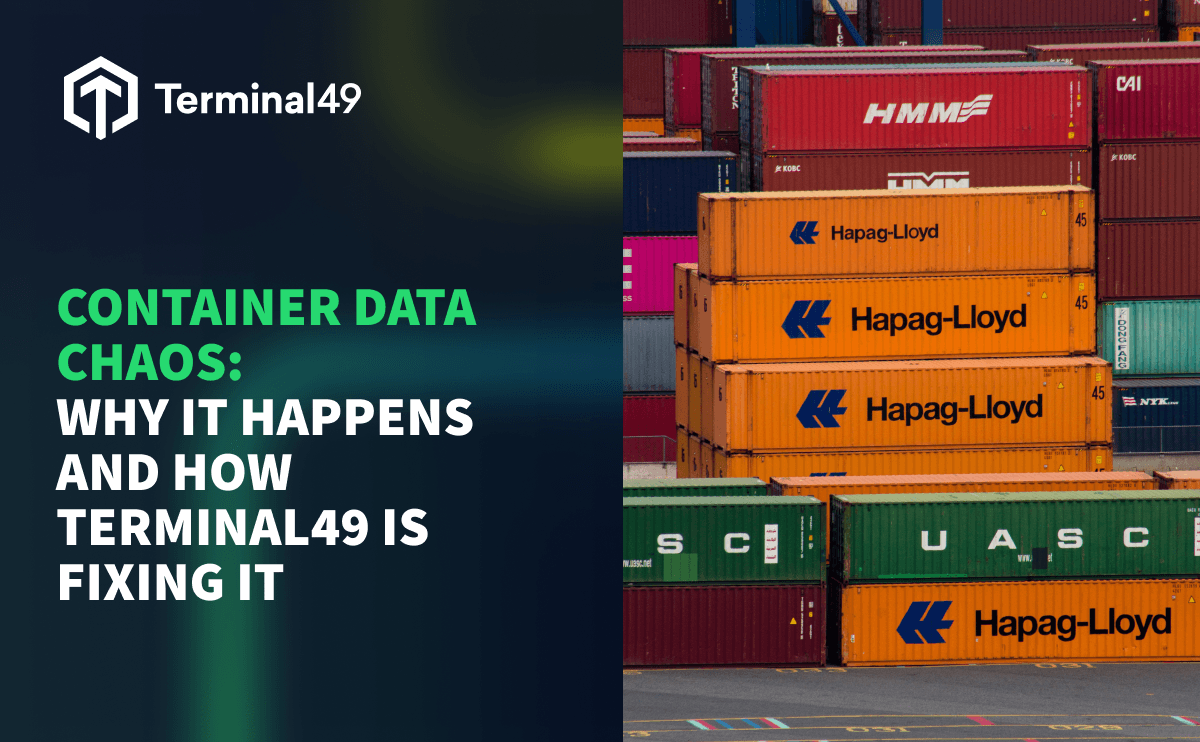
Container tracking data is chaotic—late, inconsistent, and incomplete. Learn how Terminal49 ensures data accuracy to streamline global logistics operations.
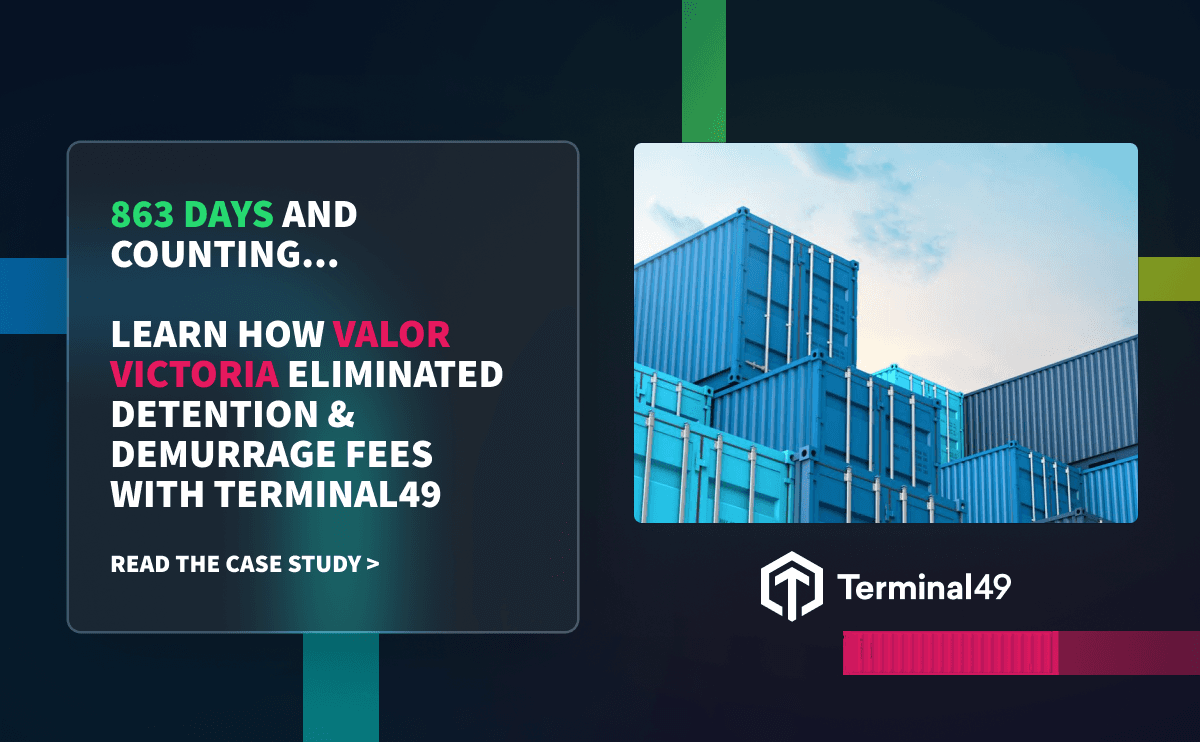
Discover how Valor Victoria used Terminal49's real-time container tracking to save thousands daily, eliminate detention and demurrage fees for 863+ days, and streamline logistics with 90% less manual tracking.

Terminal49’s insights from WESCCON 2024 in San Diego reveal key logistics trends in visibility, automation, and streamlined workflows for customs brokers and forwarders.

An employee spotlight for Terminal49’s new hire - Kyle Blount who joins the team from Flexport and comes with a combination of experience, expertise, and talent.
This webinar offers practical insights and strategies to prepare your business for regulatory changes, minimizing disruptions and costs.
In this webinar, you'll hear about how the Containers Dashboard from Terminal49 is designed to simplify your shipment workflow with real-time data, customizable reports, and ready-to-use templates.
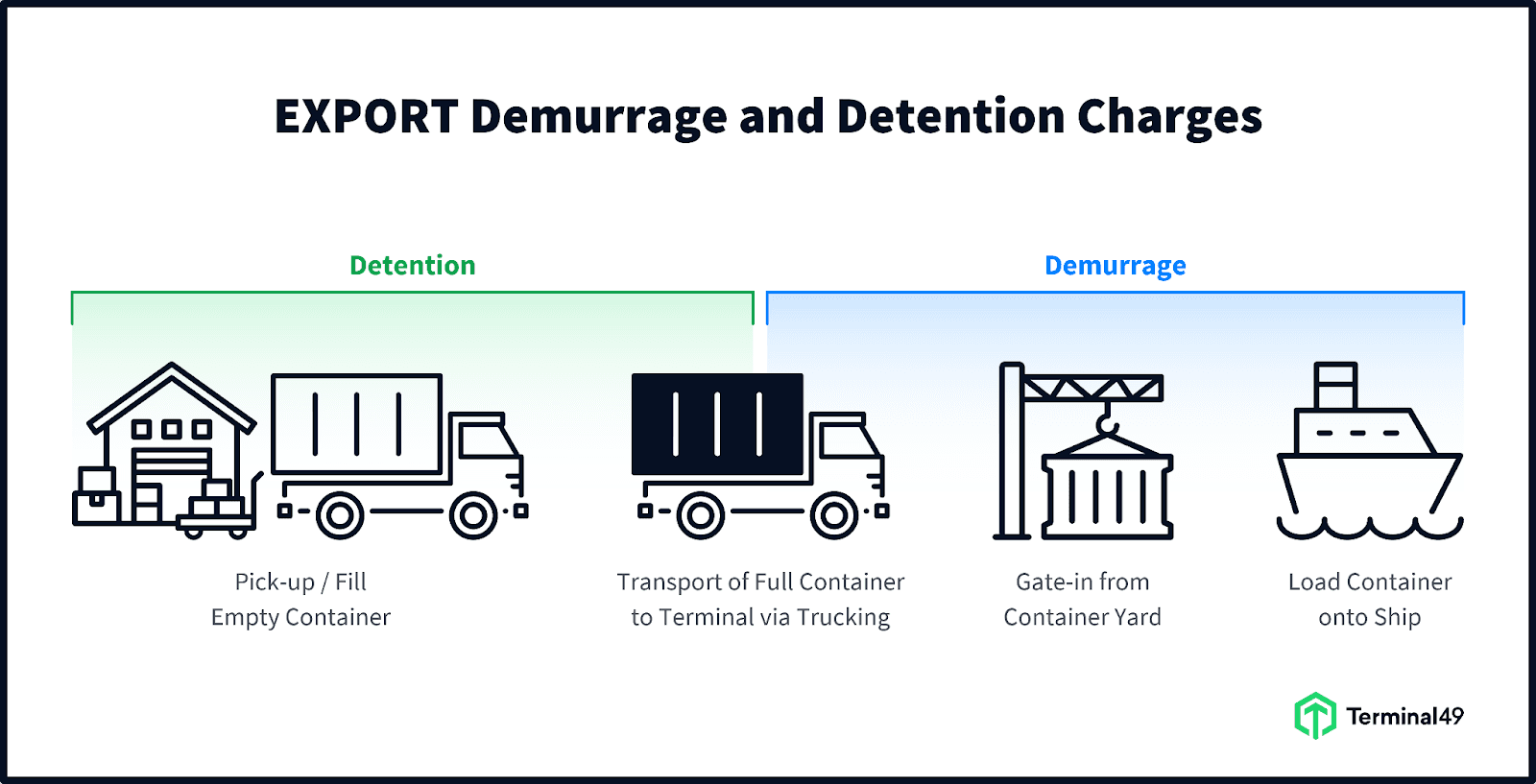
Export compliance is the discipline that keeps exporters and freight forwarders aligned with export controls, screening, licensing rules, and record-keeping obligations.
Learn why carrier-reported Last Free Day (LFD) is the most accurate, how terminal data falls short, and how to avoid costly demurrage.

APIs should streamline ocean freight, but carrier data is still inconsistent and incomplete—leaving forwarders and shippers to fill the gaps.

An employee spotlight for Terminal49’s new hire - Toph Atwater, a sales professional taking the reins as a senior account executive.
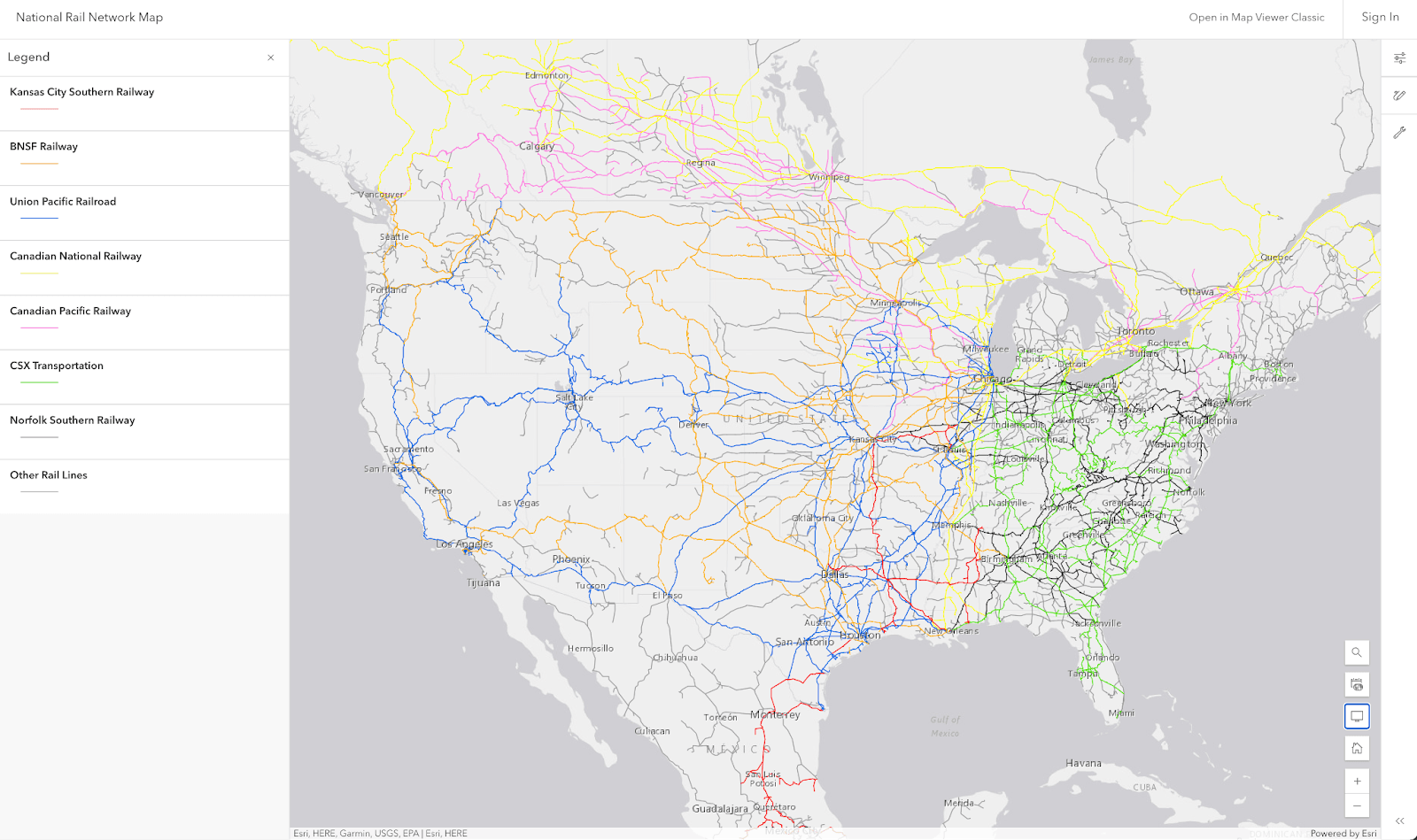
Join Terminal49 CEO, Akshay Dodeja, for a 30-minute webinar to demo this major product update, showcasing how Terminal49 completes your visibility into the inland journey of your cargo with intermodal rail data.
Terminal49 consolidated real-time container data and alerts, helping the team reach 863+ days without a detention or demurrage fee and reduce operational costs by 30%.
Explore the state of ocean carrier APIs in this insightful discussion with Akshay Dodeja and Matt. Learn about DCSA standards, data challenges, and the future of API adoption in global logistics.
Struggling with unreliable container tracking data? APIs provide access, but bad data leads to costly delays, demurrage fees, and operational chaos. In this blog, Terminal49’s co-founders discuss why high-quality data—not just API integration—is the key to real visibility. Learn how Terminal49 cleans, validates, and enriches tracking data to keep your supply chain moving smoothly.
Ocean carrier APIs promise simplicity but fall short due to fragmentation, limited access, and high costs. Learn how Terminal49 solves these challenges.
Why the transportation visibility market remains unconsolidated: learn why growing demand, high valuations, and innovation make it a win for shippers.
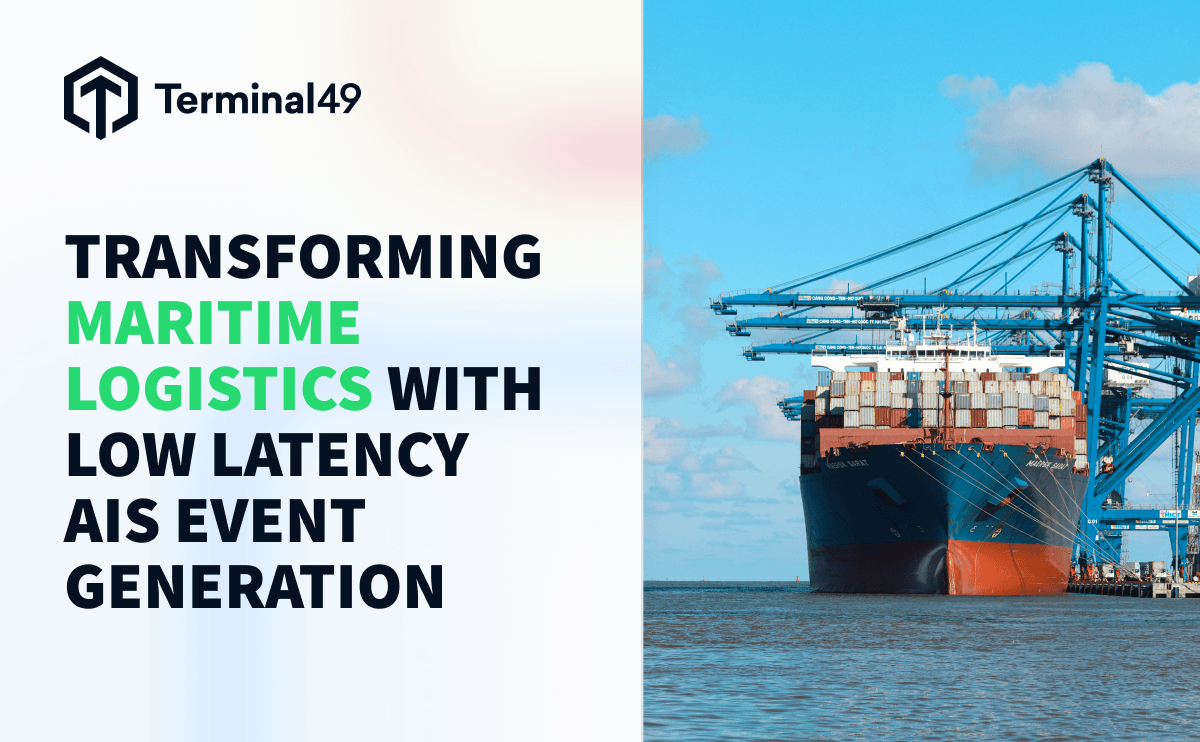
This blog explores how Terminal49 is enhancing maritime logistics by integrating free, community-driven terrestrial AIS data with reliable satellite AIS sources. By leveraging cutting-edge technologies and open-source data, we provide real-time, cost-effective ship tracking with increased reliability. As we transition to a new satellite AIS vendor, our system will soon offer comprehensive global coverage, ensuring customers receive timely, accurate updates on their shipments both at sea and in port.
A deep dive into the OSRA 2022 final rule, including what shippers can expect and how they can navigate it successfully.
Explore and review seven of the best container tracking tools in the market for 2024. We also go in-depth on the benefits of container tracking tools.

A deep dive into online container tracking, why it is important to freight operations, and how freight businesses and shippers can go about it
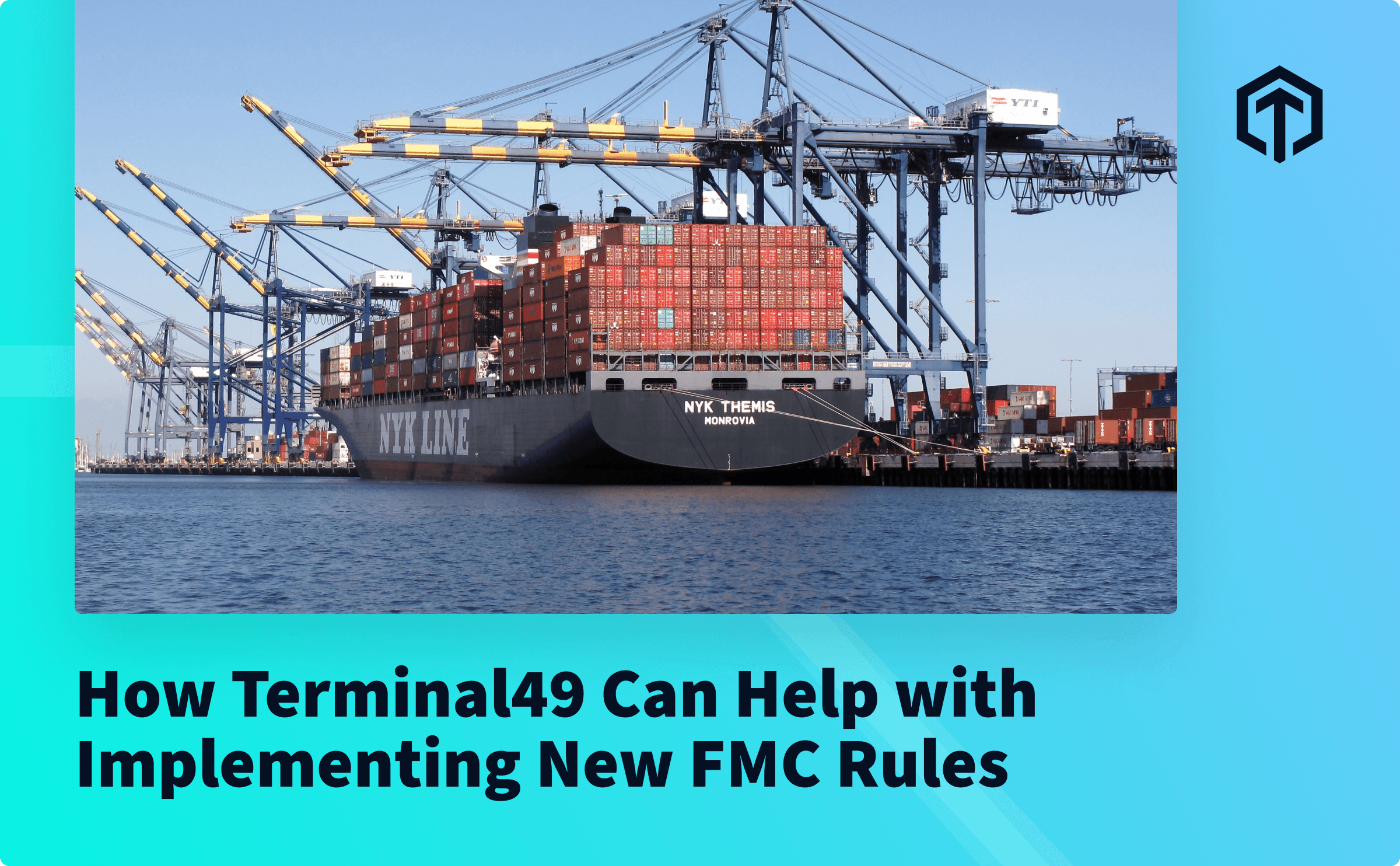
How the new FMC rules work and how shipping operations can leverage visibility solutions to ensure transparency throughout the container journey

Explore how empowering the real-time shipment tracking tool can be in the hands of customer success agents and how to measure its success.

One of the key strategies to achieving supply chain resilience is by building multi-modal flexibility within freight operations. But how do you do that?
In the wake of sustainability, many shipping operations are turning to quality data for environmental compliance in shipping operations. In our article, we explore what this means.
Although there are operational challenges in North American rail and intermodal shipping, we have explored some solutions to help you overcome them.
Exploring the importance and challenges of real-time data and insights in navigating an increasingly volatile freight market.
A deep dive into the role of data standardization in improving the efficiency of logistics and supply chain operations.
Shipment tracking is a key feature in modern-day supply chain operations. Find out the importance of high-quality data in ensuring effective shipment tracking.
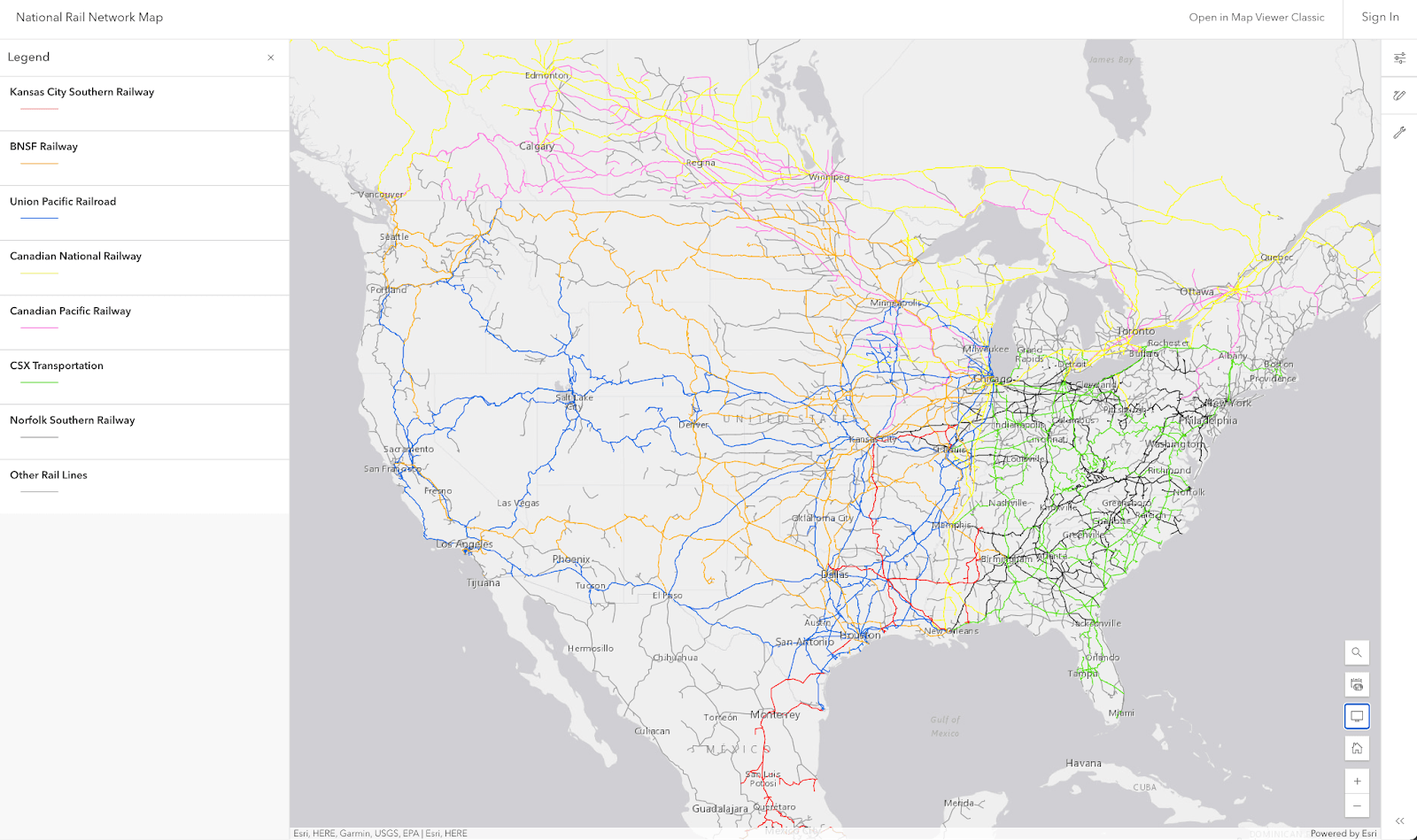
Enhance your logistics with Terminal49's rail & intermodal visibility for streamlined, secure cargo movement. Discover our platform's new features.
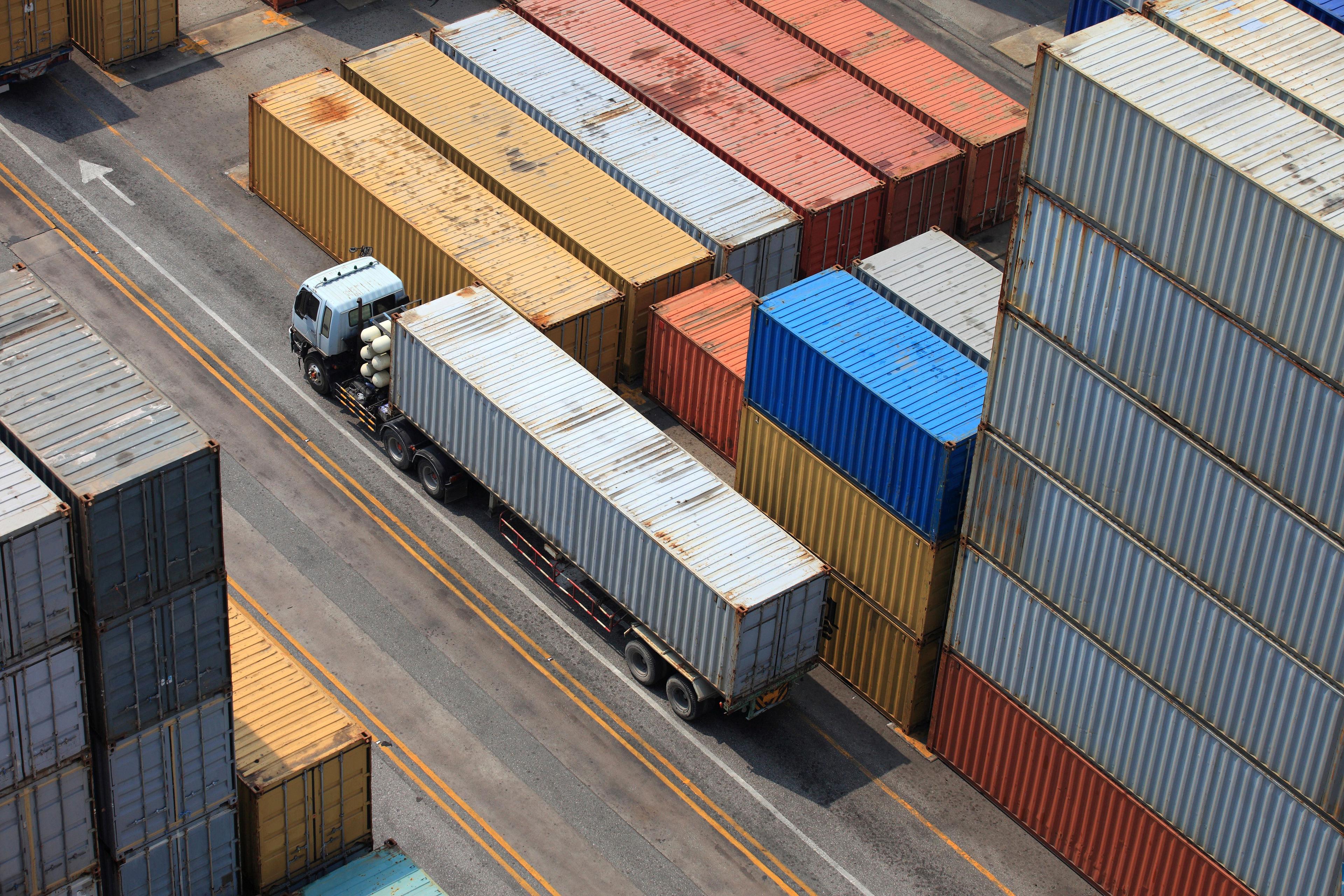
With margins often razor-thin and clients perpetually seeking the most economical solutions, providers find themselves locked in a race to the bottom, where differentiation based solely on pricing becomes challenging.
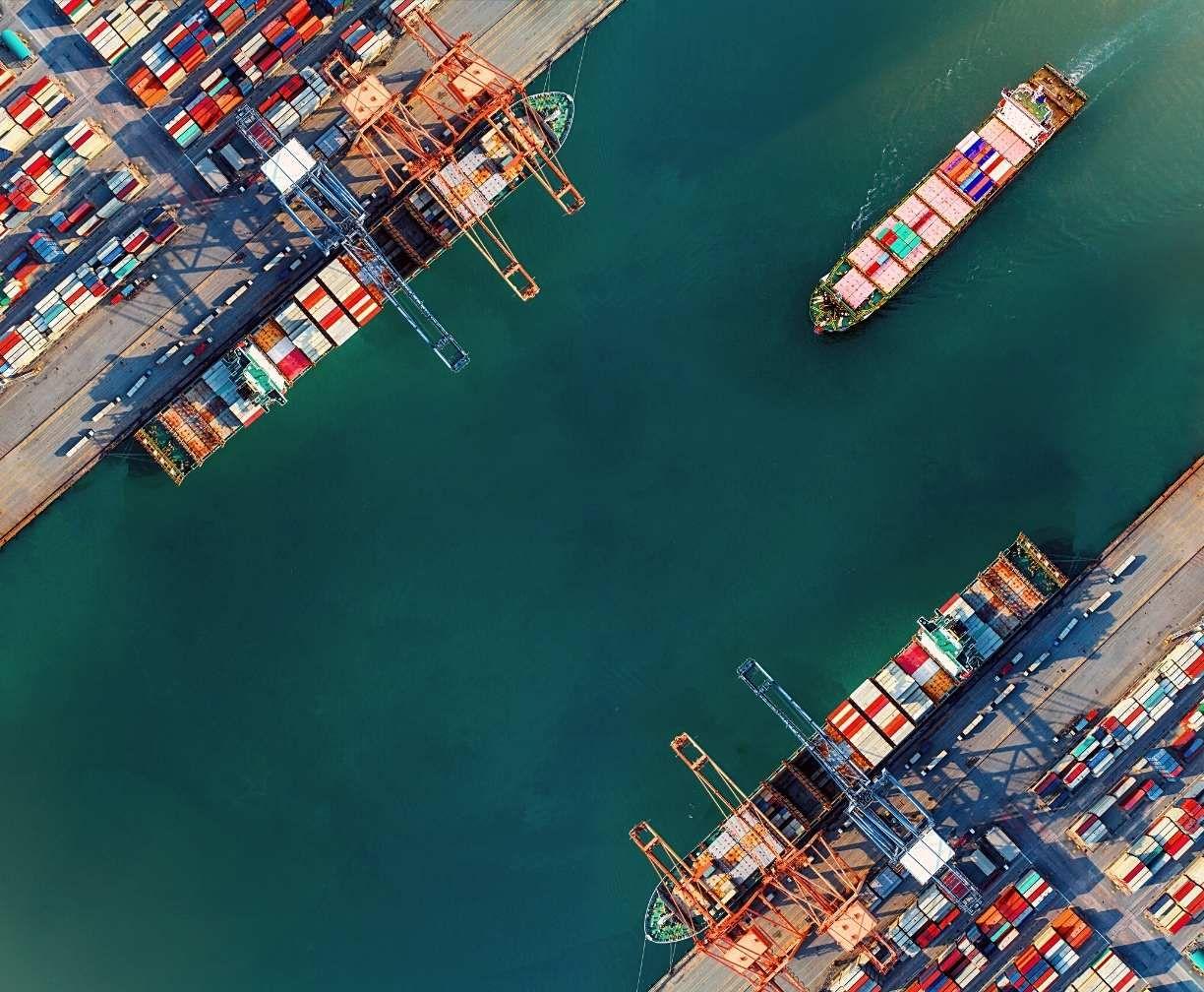
Global Shipping Chokepoints are causing knock-on effects in US Ports and Terminals
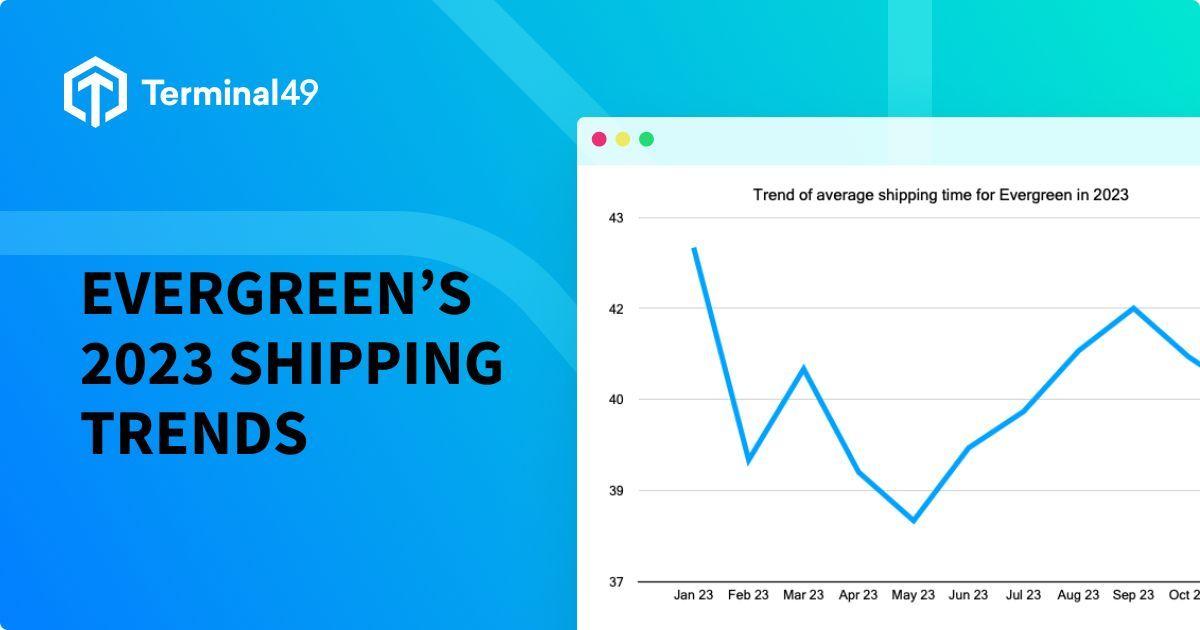
In this post, we explore the world of container tracking logistics through an analysis of Evergreen Shipping Line's (EGLV) 2023 shipping data. We'll examine monthly trends, lane performance, where time is spent in the shipping process, and how global events affected shipping times.
This integration between Terminal49 and CargoWise is designed to make freight forwarding tasks more manageable and reliable. We continue to work towards providing practical and effective logistics solutions.
With the rainy season winding down in Panama, concerns are mounting over potential supply chain delays on the East Asia to US Gulf Coast route
Leaders in the logistics sector should pay close attention to APEC's Resilient and Inclusive Growth pillar - a commitment to not just mend but reinforce the backbone of global trade.
As AI tools become more sophisticated, they contribute to building an AI-enhanced logistics ecosystem.
In the world of logistics and supply chain management, understanding shipping terms and their implications is crucial. FOB is one such term that holds significant importance.
In a world where technological innovations are reshaping industries at an unprecedented pace, the domains of freight forwarding and customs brokerage are experiencing their own digital revolution.
Efficient freight routing is a critical aspect of supply chain management that directly impacts the cost-effectiveness of shipments. As businesses strive to remain competitive in today's global marketplace, optimizing freight routing becomes essential for reducing transportation expenses, improving delivery times, and enhancing overall logistics performance. In this article, we will explore key strategies that can help businesses achieve cost-effective shipments through optimized freight routing.
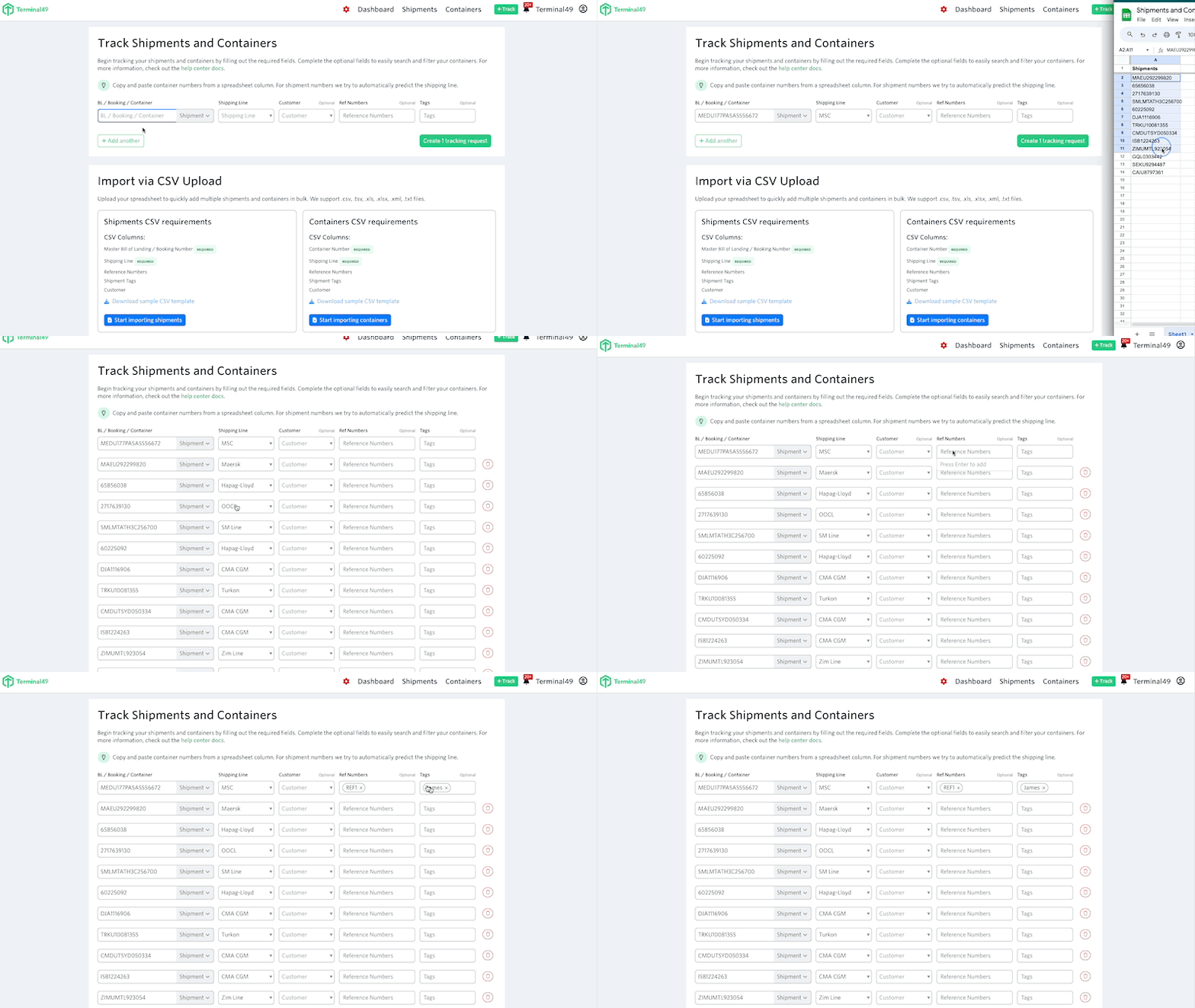
Effortless tracking: Introducing Terminal49's now support tracking by container number for streamlined logistics management.
In the dynamic landscape of international trade, freight forwarders play a crucial role in facilitating the movement of goods across borders. As intermediaries between exporters, importers, and various transportation providers, freight forwarders shoulder the responsibility of ensuring smooth, efficient, and compliant cross-border shipments.
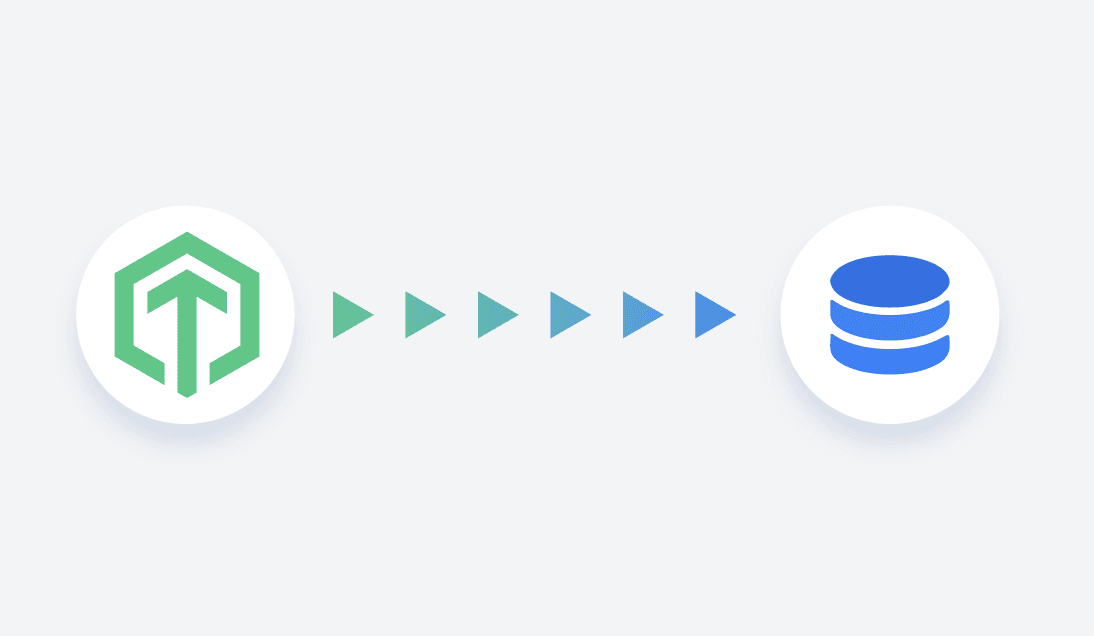
Terminal49's DataSync removes the complexity of API Integrations
Terminal49's data and tools lead to actual impacts on our customers' bottom lines
We are excited to announce a $6.5m Series A led by Stage 2 Capital and Grand Venture Partners
Learn how Terminal49 help a mid-sized freight forwarder, customs broker and NVOCC automate container data management and improve customer trust
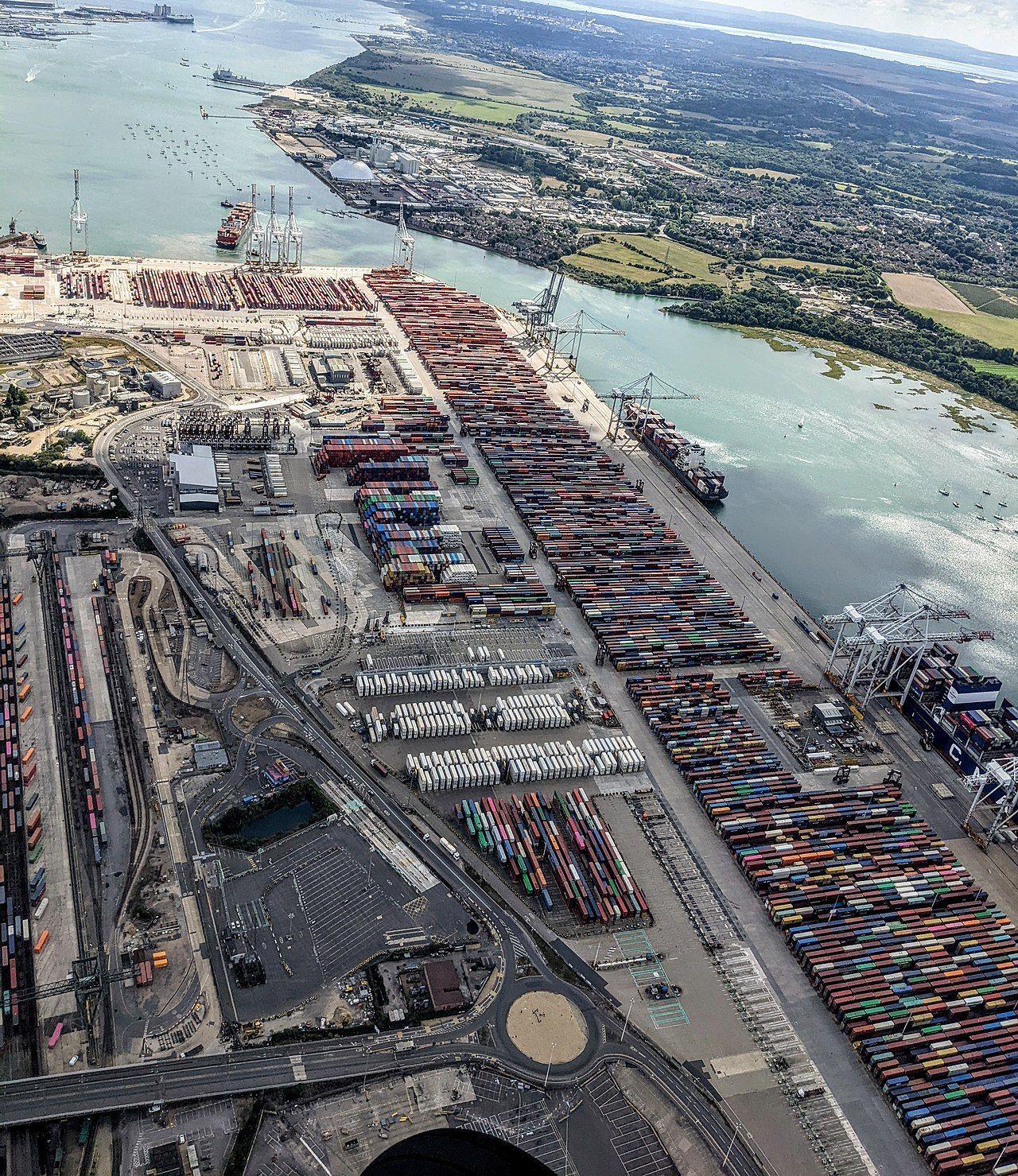
Due to popular demand, we have added data for two terminals in the UK: Southampton and London Gateway. These are the first European terminals on Terminal49! Terminal data includes container availability status, holds,
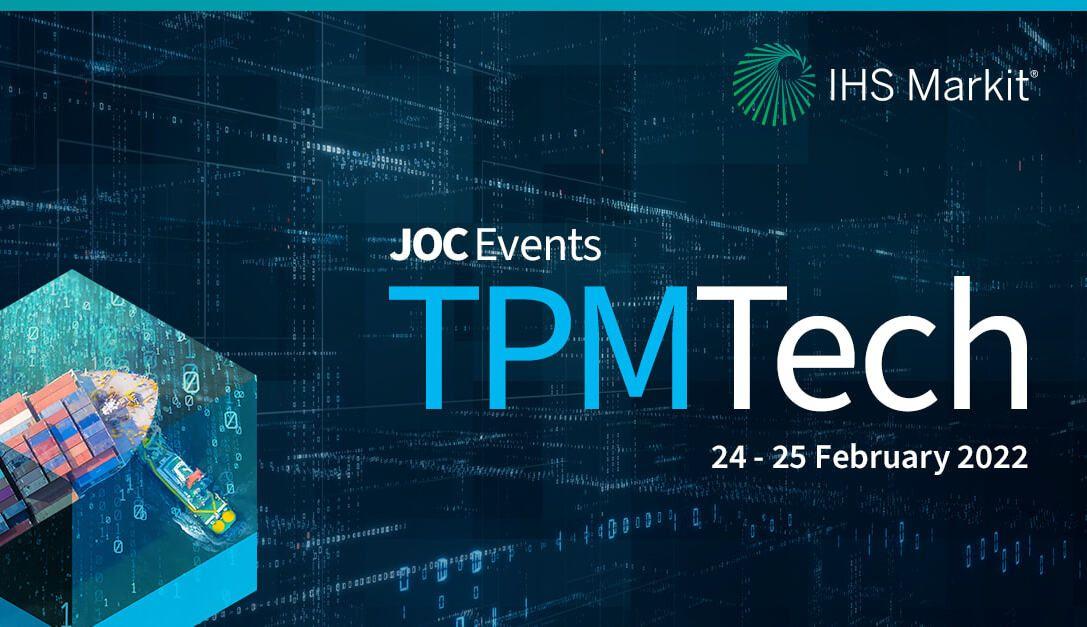
Terminal49 at TPM Tech 2022 in Long Beach, CA
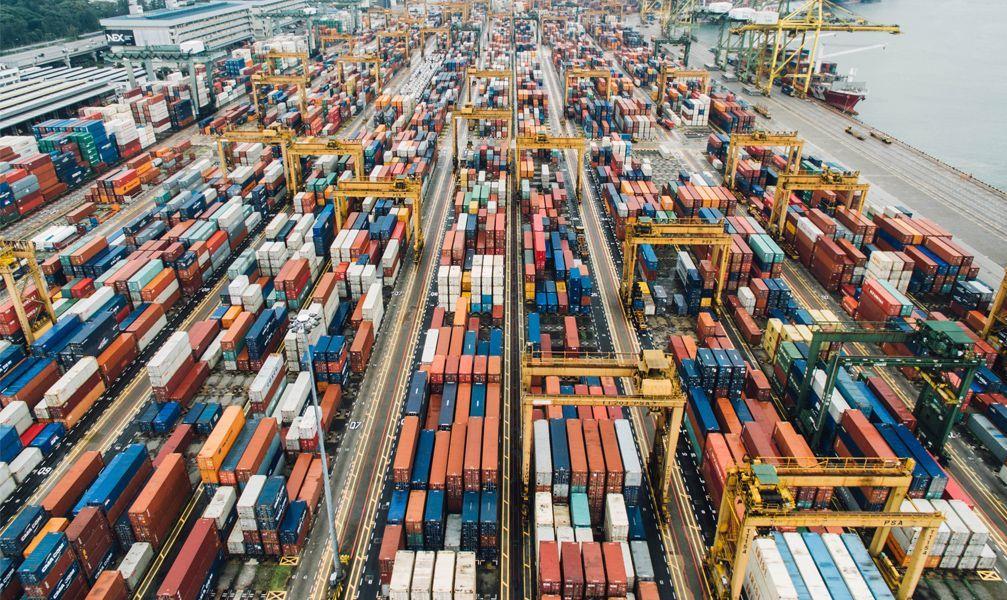
There are plenty of online tools that allow customers to track shipments. Each carrier has its own system that customers can log onto in order to gain visibility on the status of containers.
All of the posts on this blog discuss the value of data in the supply chain – typically in the form of saving time & money by using data to synchronize different links across
Enhanced Supply Chain Regulation in the US will require Enhanced (and Objective) Data. Examining what the newly revised “Ocean Shipping Reform Act” means for Carriers, Ports and Shippers. The Ocean Shipping Reform Act
Before the pandemic, containers offloaded from a ship typically sat on a dock (awaiting pickup via truck) for an average of four days. Containers picked up and transported via train typically dwelled in
Chinese New Year & the Beijing Olympics have Slowed Manufacturing and will Impact Ocean Traffic over the next Several Weeks Delivery firm DHL projected an 80% drop in the volume of China-U.S.
International shipping costs have risen much higher during the pandemic than analysts have predicted – creating unprecedented, all-time highs. According to a recent report by the Federal Reserve Bank of St. Louis, the costs
The Infrastructure Investment & Jobs Act that was recently passed by Congress includes spending for ports, railyards, roads and airports throughout the United States. Additionally, large sums of money are earmarked for broadband,

A bill of lading (BL or BoL) is a document provided to a shipper that details the type of goods, the quantity, and the destination for goods being shipped. One bill of lading
80% of the world’s cargo travels along just 20% of the world’s ocean routes. Today, traffic along the busiest lanes is 40% higher than it was just 6 months ago. It
One ripple effect of the COVID-19 lockdowns is that consumers stopped buying “experiences” and instead they bought “goods” – lots of goods. The supply chain for most of these goods relies on containers &
One of the ripple effects of the global pandemic is a strain on supply chains. Today, many of the world’s busiest ports are operating at limited capacity due to staff shortages. At
We recently ran a survey to ask how we could help logistics professionals during this crisis. The results helped us decide to make Terminal49 free for the next couple of months.

One morning last week we woke up to a new world where supply chains were suddenly cool. People wanted to understand why essentials (like toilet paper!) were no longer on the shelves, and

Ever wondered why supply chain visibility seems to always fall short of expectations? What does visibility mean, anyway? And why do most companies still struggle to adopt new technologies that are supposed to help them make more money?
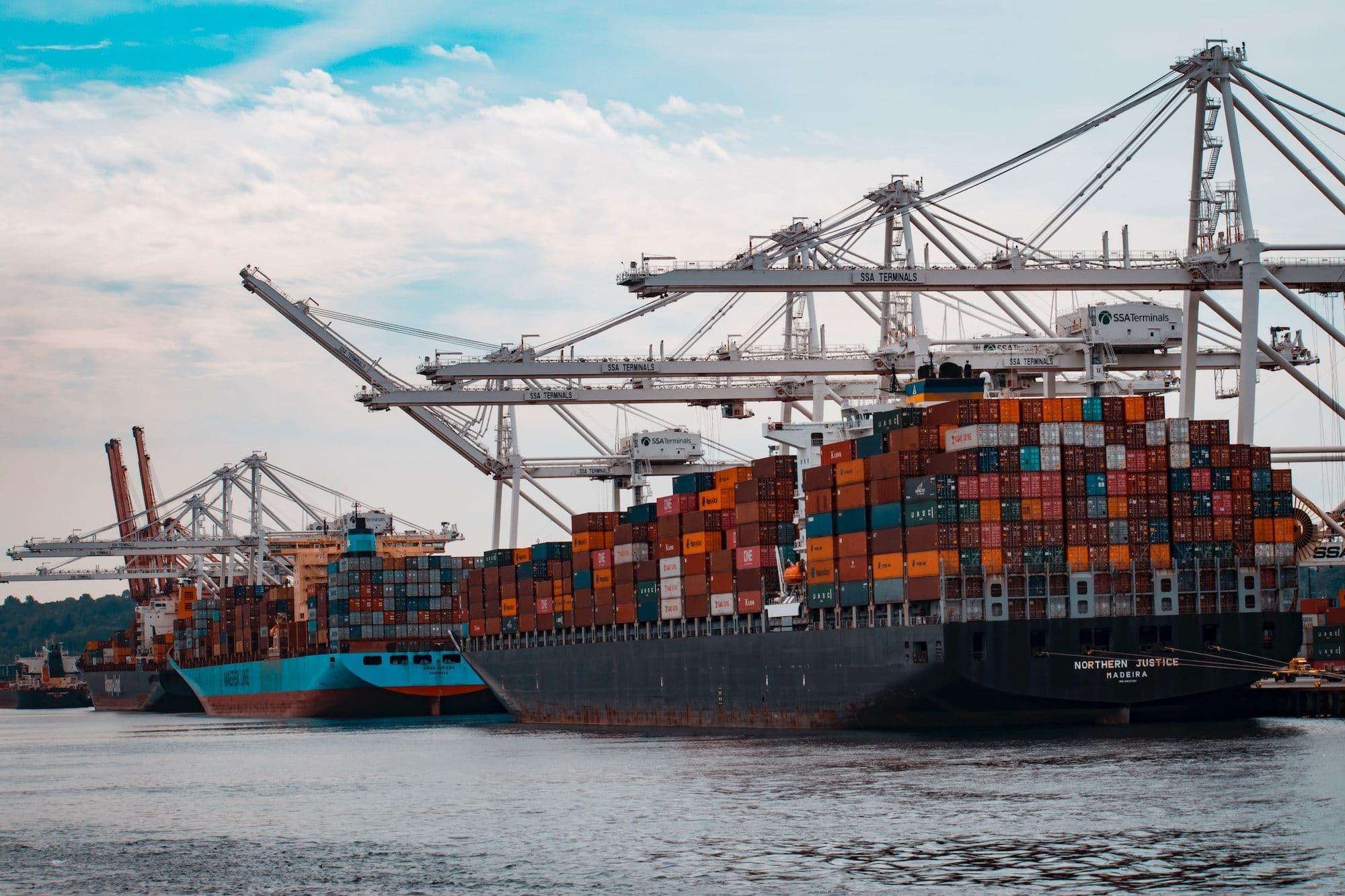
Importers have a world of opportunity within reach but face complicated shipment logistics tied to ever-changing regulations, expectations, and costs. The manual processes for tracking shipments no longer work, given the complex shipping
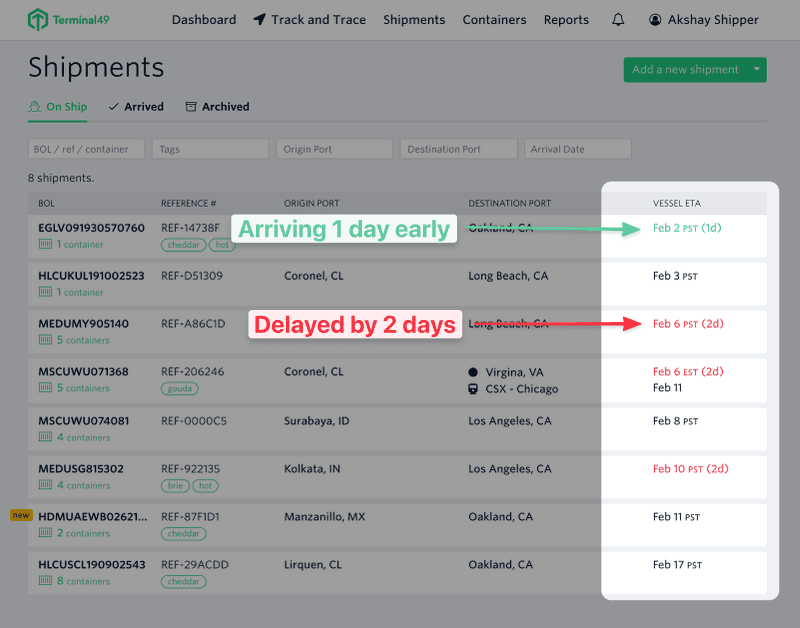
Terminal49 Shipments Dashboard shows ETAs with changes since departure. Recently, the Port of San Francisco’s new maritime director, Andre Coleman, shared insights about the cargo challenges facing the industry in 2020
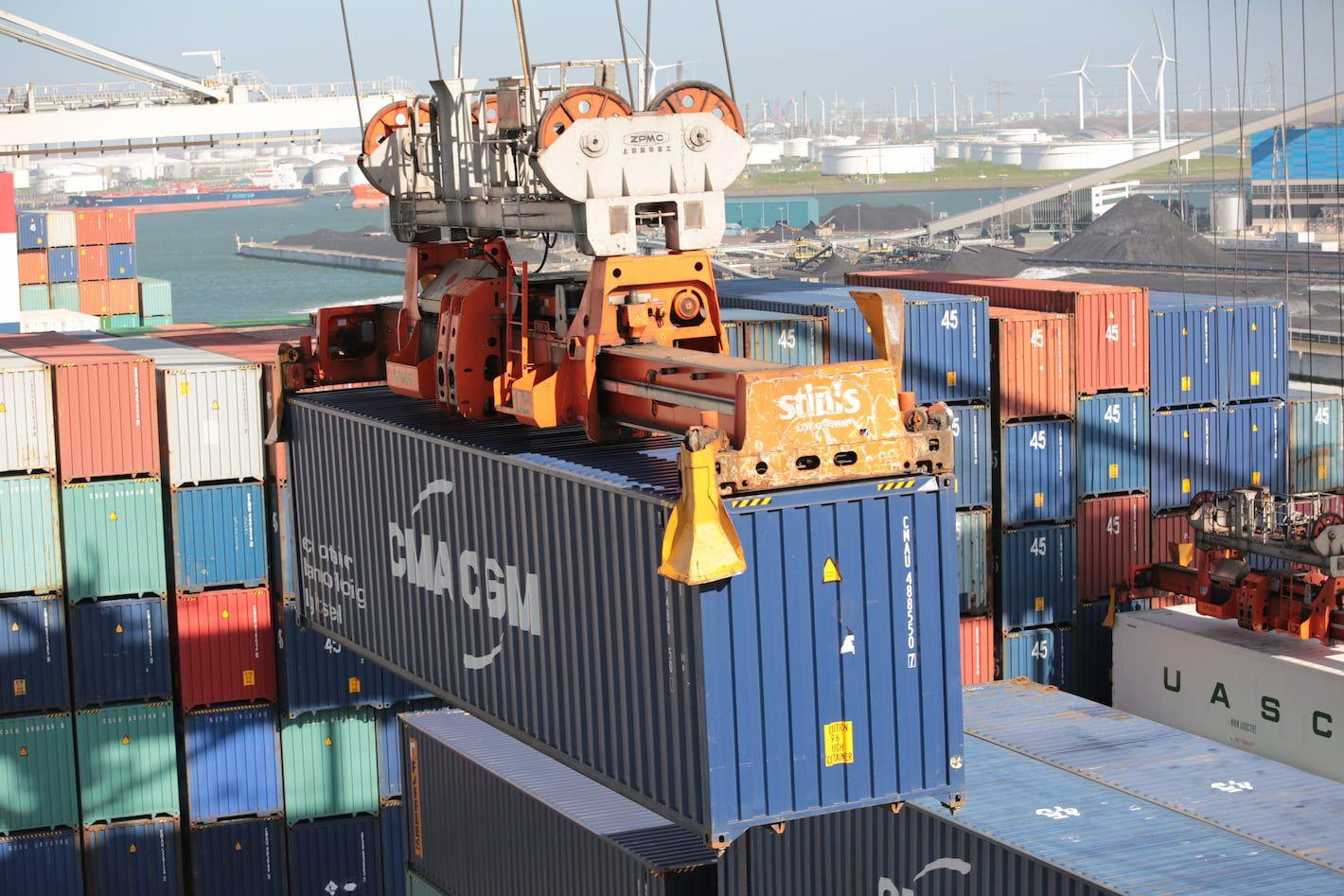
Terminal 49 Introduces Tracey, a Track and Trace Solution For Importers, Brokers, and Freight Forwarders Track and Trace provides end-to-end visibility on a single platform for effective real-time shipment managementImporters, brokers, and freight
Tracking your shipments through multiple portals and websites creates the obstacle of inconsistencies. Sure, dissimilar track and trace applications can be helpful, but at a cost on your finite resources. Enter: Terminal 49's
Drayage has gone digital! Old news, we know, everyone is tracking & tracing these days. But how can you turn digitization into a competitive advantage?
